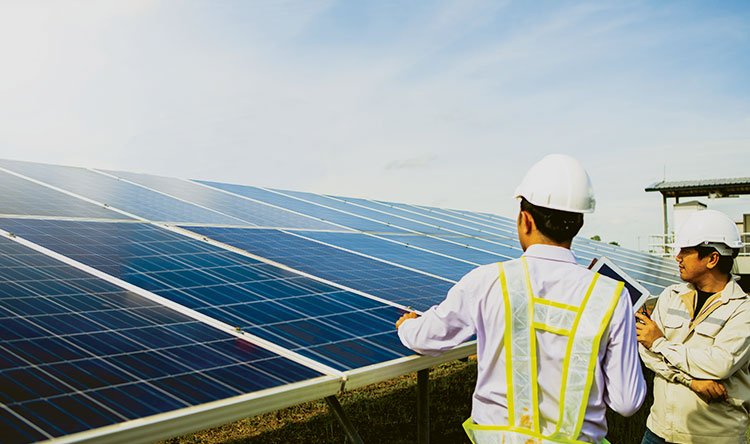

Bifacial panels have a transparent back (usually glass) that lets them capture light reflected from the surface below, in addition to direct sunlight on the front. They're increasingly common in large solar parks — but are they right for your roof?
How bifacial panels work
The front side works like a normal panel. The rear side captures reflected light from the ground or roof below. The amount of extra energy depends on:
- Surface reflectivity (albedo): White or light-coloured surfaces reflect more light than dark concrete or soil
- Height above the surface: More height allows more reflected light to reach the back
- Spacing between rows: Wider spacing reduces shading of the rear side
- Structure design: Rails and frames shouldn't block the back of the panel
How much extra output?
In good conditions — high elevation and a reflective surface — bifacial panels can produce noticeably more energy than mono-facial panels of the same rating. On a flat, dark roof with panels close to the surface, the gain may be very small.
Where bifacial makes sense
- Elevated structures on terraces with white or reflective coatings
- Ground-mounted plants with light-coloured gravel or soil
- Carports and pergolas where light reaches the underside
- Large commercial installations with optimised designs
Where standard panels may be better
- Low-height structures on dark roofs
- Tight roof layouts with little space under panels
- Projects where budget is the main concern
Durability benefits
Many bifacial panels use a glass-glass design, which can be more resistant to moisture and degradation than standard glass-backsheet panels. Check the manufacturer's warranty for details.
Boosting rear-side gain
If you choose bifacial panels on a terrace:
- Use an elevated structure
- Apply a white reflective coating to the terrace (which also helps keep the building cooler)
- Keep the area under panels clean and clear
The bottom line
Bifacial panels shine when they're raised high over reflective surfaces. On standard low-height rooftop installations, the extra cost may not be justified.
We'll tell you honestly whether bifacial panels will help on your roof — and by how much.